
Chevy Suburban MPG: Compare Engines and Model Years
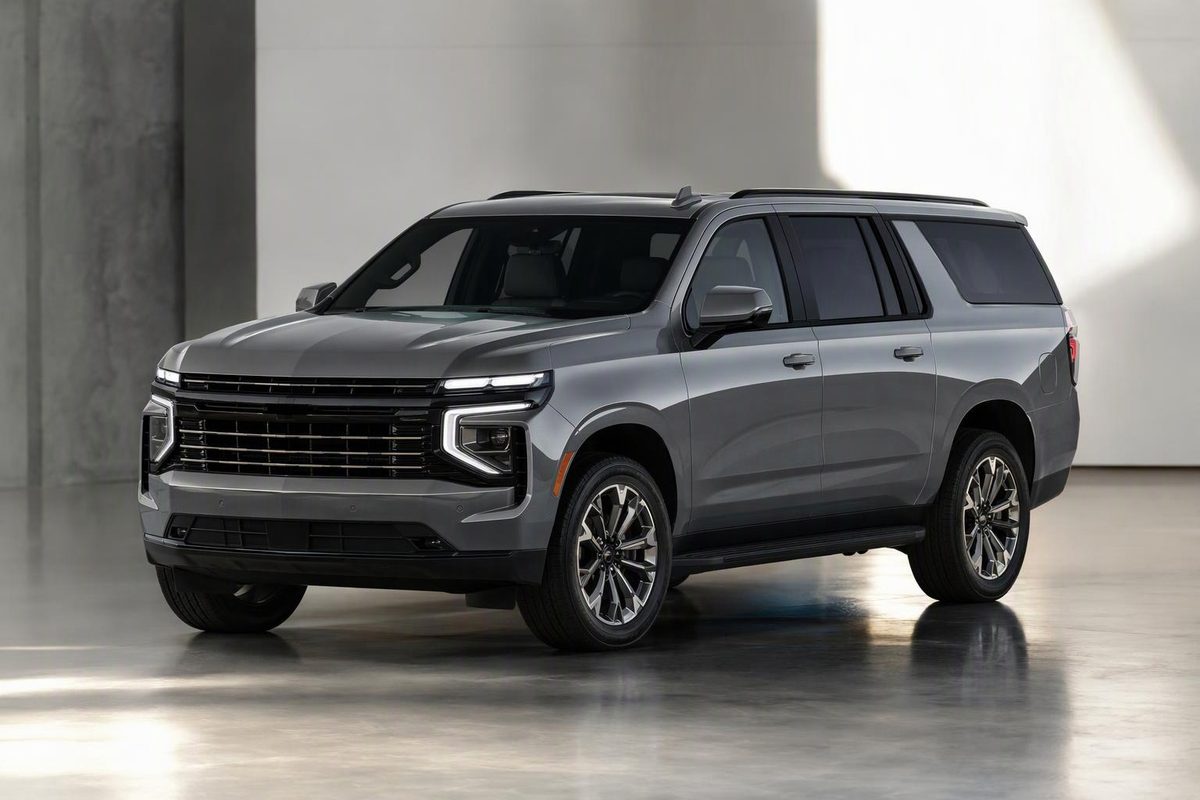
Compare EPA Chevy Suburban MPG by model year, engine and drivetrain, plus diesel fuel-cost math and towing, cargo and 4WD caveats.
A 2026 Chevrolet Suburban is EPA-rated from 16 to 23 mpg combined, depending on engine and drivetrain. The 3.0L Duramax diesel leads at 21 city/26 highway/23 combined mpg with 2WD. The 5.3L V8 returns 15/20/17 mpg, while the 6.2L V8 is rated 15/19/16 mpg. With 4WD, the respective combined figures are 22, 16 and 16 mpg (2026 EPA/DOE listing). These are standardized ratings, not towing estimates.
Suburban MPG chart
Figures are city/highway/combined mpg. The table uses selected model years that mark major powertrain or generation changes; a rating should not be applied to a different year, engine or drivetrain.
| Model year | Engine and fuel | Drivetrain | EPA city/hwy/combined |
|---|---|---|---|
| 2000 | 5.7L V8, regular gasoline | 2WD | 12/17/14 |
| 2000 | 5.3L V8, regular gasoline | 4WD | 12/15/13 |
| 2007 | 5.3L V8, regular gasoline | 2WD | 14/19–20/16 |
| 2007 | 5.3L V8, regular gasoline | 4WD | 14/19/16 |
| 2007 | 6.0L V8, regular gasoline | 2WD / 4WD | 13/18/15; 13/17/14 |
| 2015 | 5.3L V8, regular gasoline | 2WD / 4WD | 16/23/18; 15/22/18 |
| 2019–2020 | 5.3L V8, regular gasoline | 2WD / 4WD | 15/22/18; 14/21/16 |
| 2019–2020 | 6.2L V8, premium gasoline | 2WD / 4WD | 14/23/17; 14/20/16 |
| 2021 | 5.3L V8, regular gasoline | 2WD / 4WD | 15–16/20/17–18; 15/19/16–17 |
| 2021 | 6.2L V8, premium gasoline | 2WD / 4WD | 14–15/20/16–17; 13–14/19/16 |
| 2021 | 3.0L diesel | 2WD / 4WD | 21/27/23; 20/26/22 |
| 2024 | 5.3L V8, regular gasoline | 2WD / 4WD | 15/20/17; 15/18/16 |
| 2024 | 6.2L V8, premium gasoline | 2WD / 4WD | 14/20/16; 14/18/16 |
| 2024 | 3.0L diesel | 2WD / 4WD | 21/27/23; 20/26/22 |
| 2025 | 5.3L V8, regular gasoline | 2WD / 4WD | 15/20/17; 14/19/16 |
| 2025 | 6.2L V8, premium gasoline | 2WD / 4WD | 15/19/16; 14/18/16 |
| 2025 | 3.0L diesel | 2WD / 4WD | 21/26/23; 20/26/22 |
| 2026 | 5.3L V8, regular gasoline | 2WD / 4WD | 15/20/17; 14/19/16 |
| 2026 | 6.2L V8, premium gasoline | 2WD / 4WD | 15/19/16; 14/18/16 |
| 2026 | 3.0L diesel | 2WD / 4WD | 21/26/23; 20/24/22 |
The older figures come from the official EPA/DOE listings for 2000, 2007, 2015, 2019 and 2020. The database shows multiple ratings for nominally similar 2021 gas configurations, which accounts for the ranges in that row (2021 EPA/DOE listing).
For current-model comparison, the 2024, 2025 and 2026 listings show the diesel holding at 23 mpg combined with 2WD and 22 mpg with 4WD. The 2026 diesel 4WD highway rating is 24 mpg, down from 26 mpg for 2025.
Which Suburban engine uses the least fuel?
For every model year from 2021 through 2026, the 3.0L Duramax diesel has the highest EPA combined rating; the intervening 2022 and 2023 listings follow the same pattern. At 10,000 miles, a 23-mpg Suburban uses about 435 gallons, versus about 588 gallons for a 17-mpg model—a difference of roughly 153 gallons.
That does not automatically make the diesel cheapest to own. Estimate annual fuel spending with:
annual miles ÷ combined mpg × local fuel price
Use diesel pricing for the 3.0L, regular-gas pricing for the 5.3L and premium-gas pricing for the 6.2L when comparing the EPA-listed fuel types. Then consider purchase price and maintenance separately.
The 5.3L V8 is generally the fuel-cost baseline among gasoline Suburbans because it uses regular gasoline and usually equals or beats the 6.2L in combined MPG. The 6.2L should not be chosen with an expectation of better fuel economy.
Why towing and cargo change the result
EPA ratings are comparison figures derived from standardized testing, not guaranteed real-world results. FuelEconomy.gov says the test assumes only 300 lb of passengers and cargo; towing or carrying excessive weight reduces economy. Roof cargo adds aerodynamic drag, while hills, speed, weather, driving style and vehicle condition can also move actual mileage away from the label estimate. EPA also notes that four-wheel-drive vehicles are tested in 2WD mode and that engaging all four wheels increases drivetrain losses (factors affecting MPG).
For a towing trip, do not multiply the empty-vehicle highway rating by tank capacity and treat the result as guaranteed range. Trailer weight and shape, road speed, grades, wind and transmission behavior all affect consumption, so there is no single defensible “Suburban towing MPG” deduction for every trailer.
Use the EPA number to compare unloaded configurations, then plan fuel stops conservatively from your own loaded, fill-to-fill results. Tow/Haul mode may keep lower gears longer, which can reduce economy while it is active; see what Tow/Haul mode does. To determine whether a particular SUV can safely pull a trailer, check the Suburban towing-capacity guide.
EPA explains that label values combine five test cycles covering city, highway, high-speed, hot-weather and cold-weather operation. Manufacturers submit the data, and EPA confirms approximately 15% of results (EPA fuel-economy testing). That makes the ratings useful for like-for-like shopping, but not a promise of the mileage a loaded Suburban will return.